



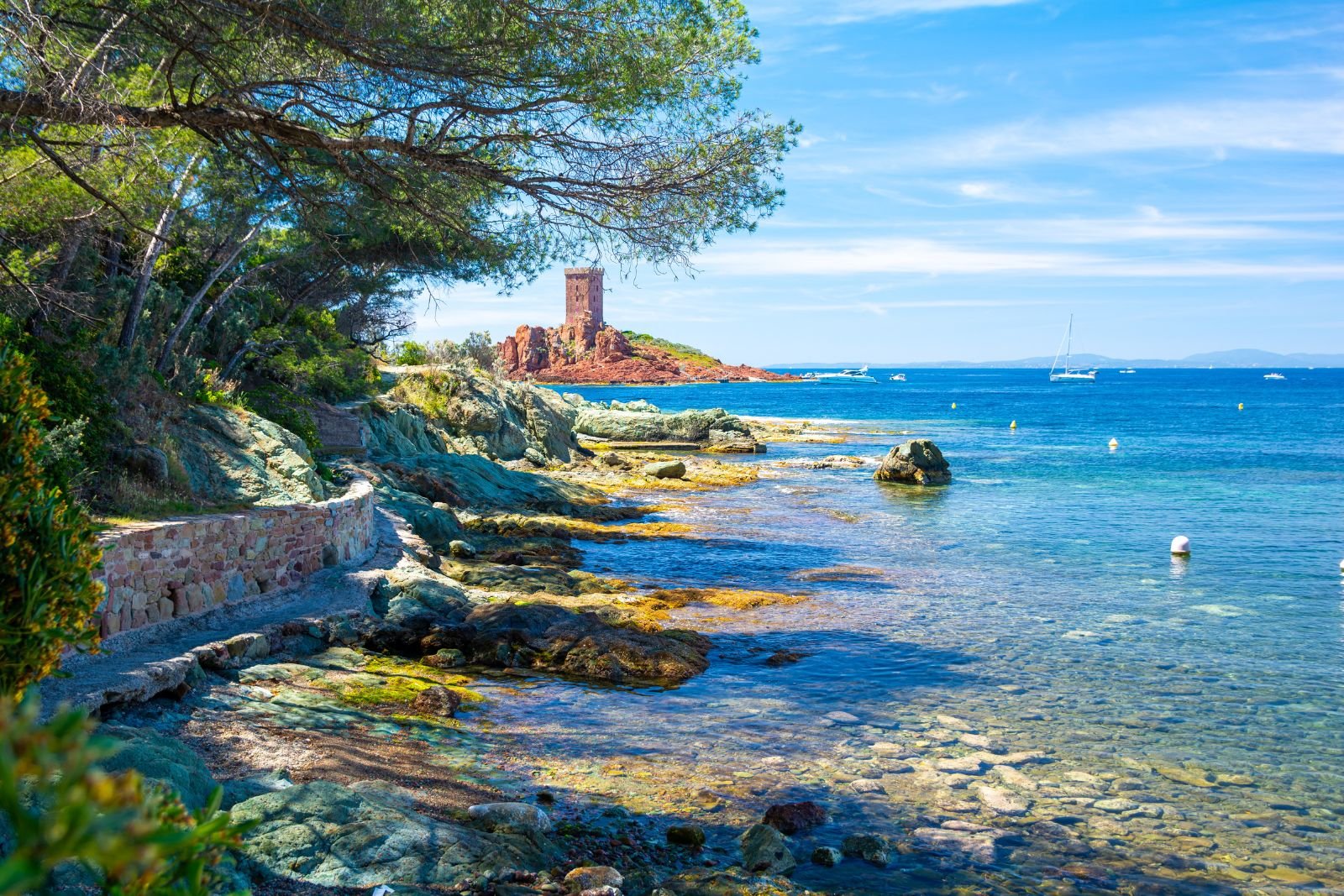
At a glance
Fréjus packs a Roman amphitheatre, a 5th-century baptistery and golden beaches into one sunny Riviera town, so a single day out from your campsite can mix ancient history with a swim in the Mediterranean.
- Roman Amphitheatre an arena that once held over 10,000, now hosting concerts
- Cité Épiscopale cathedral, painted cloister and a 5th-century baptistery in one stroll
- Beaches And Ports Fréjus-Plage, Port-Fréjus and Saint-Aygulf for easy seaside afternoons
- Family Attractions Aqualand, the zoo and Luna Park are all in town
- Wine And Nature Malpasset dam, Mont Vinaigre, estate tastings and the Estérel hills

What to see in Fréjus
Fréjus began life as Forum Julii, a Roman port founded around 50 BC. Today this town of 59,719 residents wears its history lightly in the Riviera sunshine. The Roman walls once ran for 3.7 km around 35 hectares, and the best of what remains is easy to explore on foot.
- Roman amphitheatre (Arènes): a listed monument since 1840 that once held more than 10,000 spectators and still stages shows and concerts.
- Cité Épiscopale: Saint-Léonce cathedral, a 5th-century baptistery that ranks among the oldest Christian buildings in France, and a 13th-century two-level cloister whose larchwood ceiling carries about 300 paintings.
- Roman theatre and aqueduct: more traces of the ancient naval base that Augustus made a regional capital.
- Malpasset dam: a guided visit that adds a dramatic chapter to the local story.
- Villa Aurélienne, Mont Vinaigre and the Base Nature: green escapes within easy reach of the centre.
A walking loop from the Lanterne d'Auguste to the Arènes, the centre and the Clos de la Tour ties the Roman highlights together neatly.

Fréjus tickets, visiting times and parking
The Roman and medieval sights are best enjoyed in the morning, so plan your heritage walk early and keep the afternoon for the beach. Midweek mornings suit the amphitheatre and the Cité Épiscopale especially well. The Fréjus Pass bundles several heritage sites and stays valid for 7 days, which is ideal if you split your visit over two outings. Aqualand, wine estate tours and Malpasset dam visits can be booked online for the best price.
Plan half a day for the old town and the Roman monuments, and a full day if you add the seaside.
- About 400 free spaces near the old town: Parking des Arènes (195), Pinelli (86), Eco parking Sainte-Croix (79), Parking des Moulins (30) and Vauvenargues (24).
- Parking des Moulins is under 10 minutes' walk from the historic heart.
- Fréjus-Plage car park is free and under 10 minutes' walk from the beaches.
Where to stay near Fréjus
A campsite in the Fréjus area puts you between Roman ruins, the Estérel hills and the Mediterranean. Mornings can be spent among amphitheatre arches and cloister paintings, while afternoons are made for beaches such as Fréjus-Plage, Saint-Aygulf and Plage d'Argens.
Staying nearby also keeps the day flexible. You can drive to the free car parks by the old town, or hop on Le Bus Estérel Côte d'Azur Agglomération, which connects Fréjus with Saint-Raphaël and the beach areas. Come evening, you return to your pitch for dinner under the Provençal sky.
Browse our campsites in Provence-Alpes-Côte d'Azur to find the base that suits your holiday.
Practical info
- Time needed
- Half a day for the heritage walk, a full day when you add beach time.
- Best time to visit
- Start with the sights in the morning and keep the afternoon for the beach.
- Tickets
- The Fréjus Pass combines several heritage sites for a week. Book Aqualand, wine tours and Malpasset dam visits online for the best price.
- Getting there and parking
- About 400 free spaces near the old town, including Parking des Arènes (195 spaces). Le Bus Estérel Côte d'Azur Agglomération serves Fréjus and Saint-Raphaël.
- Food and drink
- Lunch in the old town, a picnic, or fresh finds at the Tuesday, Friday and Sunday morning markets.
- Season
- Heritage, markets and Estérel walks suit the whole year, while beaches and Aqualand shine in summer.
A day at Frejus from your campsite
- 09:00Leave your campsite and head for Fréjus. Prefer to leave the car behind? Line 4 of Le Bus Estérel Côte d'Azur Agglomération links Saint-Raphaël with Fréjus Gare Routière.
- 09:30Park free at Parking des Arènes (195 spaces) and stroll to the Roman amphitheatre.
- 10:00Explore the arena and its ground-floor corridors, then follow the Roman monuments loop towards the old centre.
- 11:00Visit the Cité Épiscopale: Saint-Léonce cathedral, the 5th-century baptistery and the cloister with its roughly 300 painted ceiling panels.
- 12:30Lunch in the old town or picnic while the heritage sites pause for the break.
- 14:30Head to Fréjus-Plage (free car park, under 10 minutes' walk from the sand) for a swim and some beach time.
- 17:30Wander the harbour at Port-Fréjus with an ice cream in hand.
- 18:30Back at your campsite for a relaxed dinner and a lazy evening.
Arrive early in summer and at weekends. Parking Pinelli fills up first, and Parking des Arènes is a great alternative.
The Fréjus Pass covers several heritage sites and stays valid for 7 days, so it suits a two-part visit.
Pack swimwear and a picnic. Markets run on Tuesday, Friday and Sunday mornings, and there is a night market in summer.
Tip from our specialist
Our tip: treat Fréjus as two days in one. Start in the morning with the Roman monuments loop, from the Lanterne d'Auguste to the amphitheatre and on to the cathedral, cloister and baptistery. Arrive by 09:30 and park at Parking des Arènes, with its 195 free spaces, so you can wander in the cool of the morning. Over lunch the heritage sites take a break, which makes it the perfect time for a long table in the old town or a picnic. Then swap the cobbles for the sand at Fréjus-Plage, whose free car park is under 10 minutes from the water. If you want to linger, the Fréjus Pass stays valid for 7 days. Keep a Tuesday, Friday or Sunday morning free for the market and you have a day out that tastes of Provence.
Frejus and our campsites on the map
Frejus Campsite, click to view the campsite
Frequently asked questions about Frejus
What is Fréjus known for?
Is the Roman amphitheatre in Fréjus worth visiting?
What are the best beaches near Fréjus?
What can you do in Fréjus when it rains?
Are there guided tours in Fréjus?
Is Fréjus fun with kids?
Where can you park when visiting Fréjus?
Campsites near Frejus
6 campsites within 50 km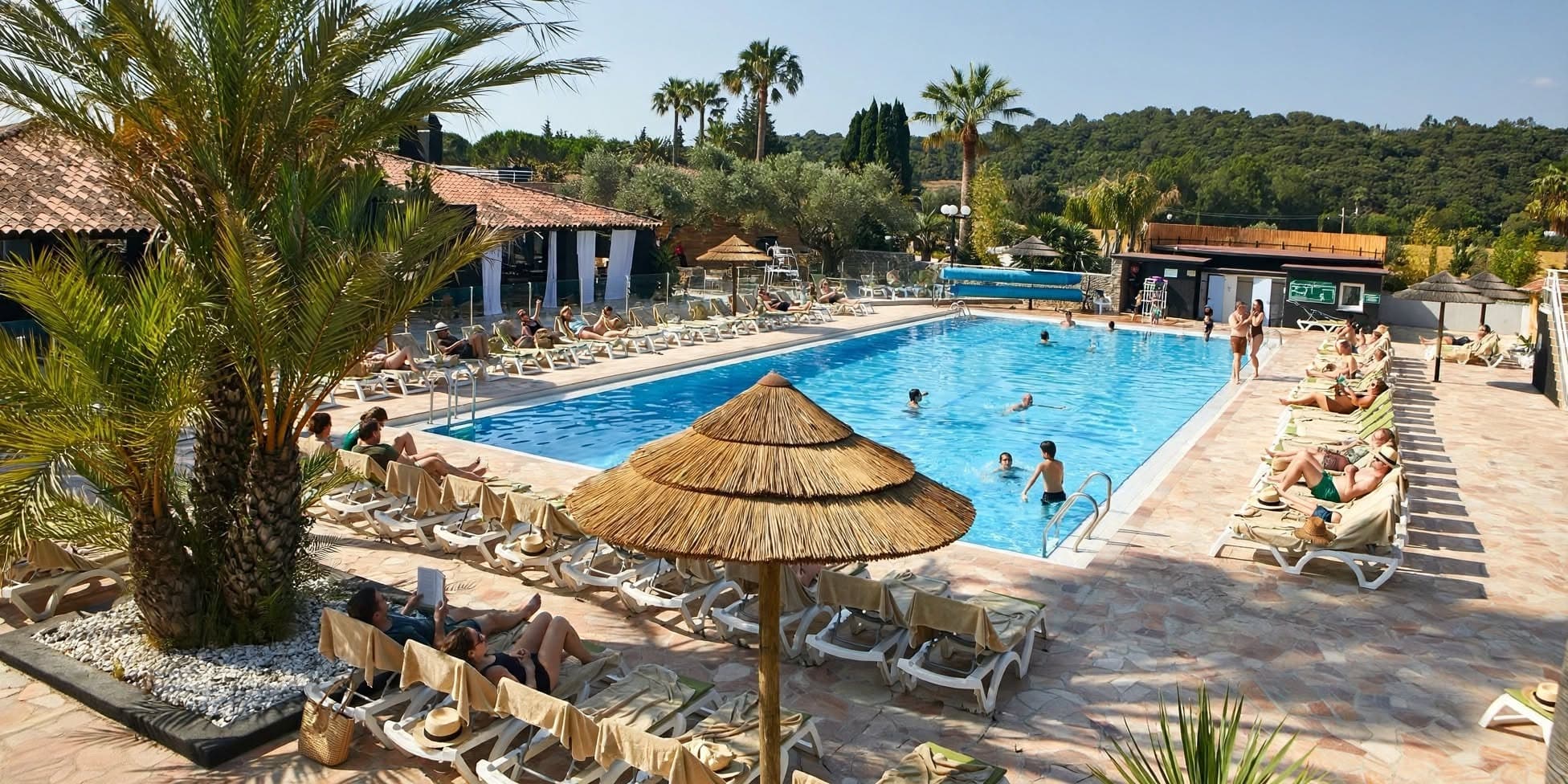 5 km · 9 min driveCamping Sandaya l'Etoile d'Argens Fréjus - Saint-AygulfThree Heated Pools, Two Jacuzzis · Boat Shuttle To Sandy BeachView campsite
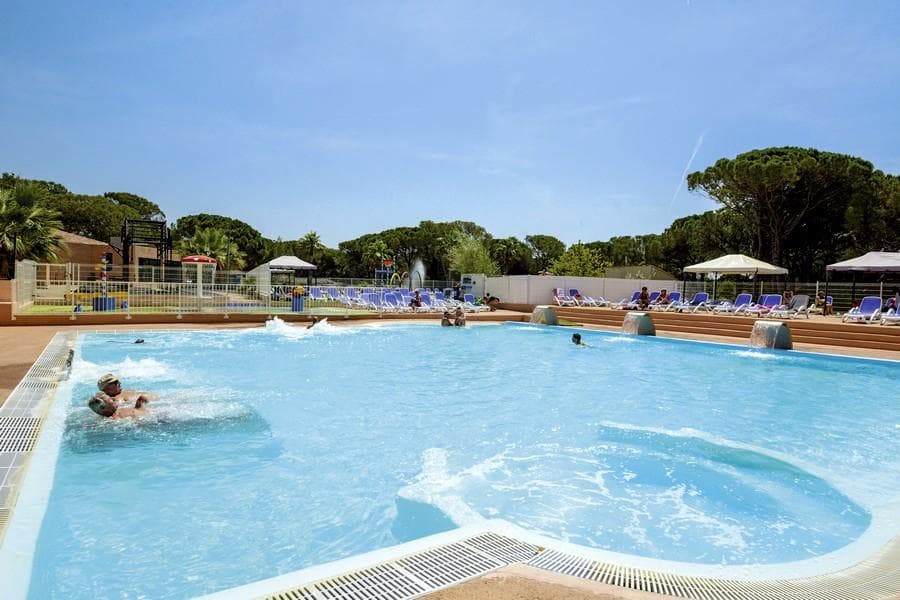 9 km · 19 min driveCamping Montana Parc Oasis Village - Coeur de l'Estérel Puget-sur-ArgensWater Park With Wave Pool · Beaches Just 10 km AwayView campsite
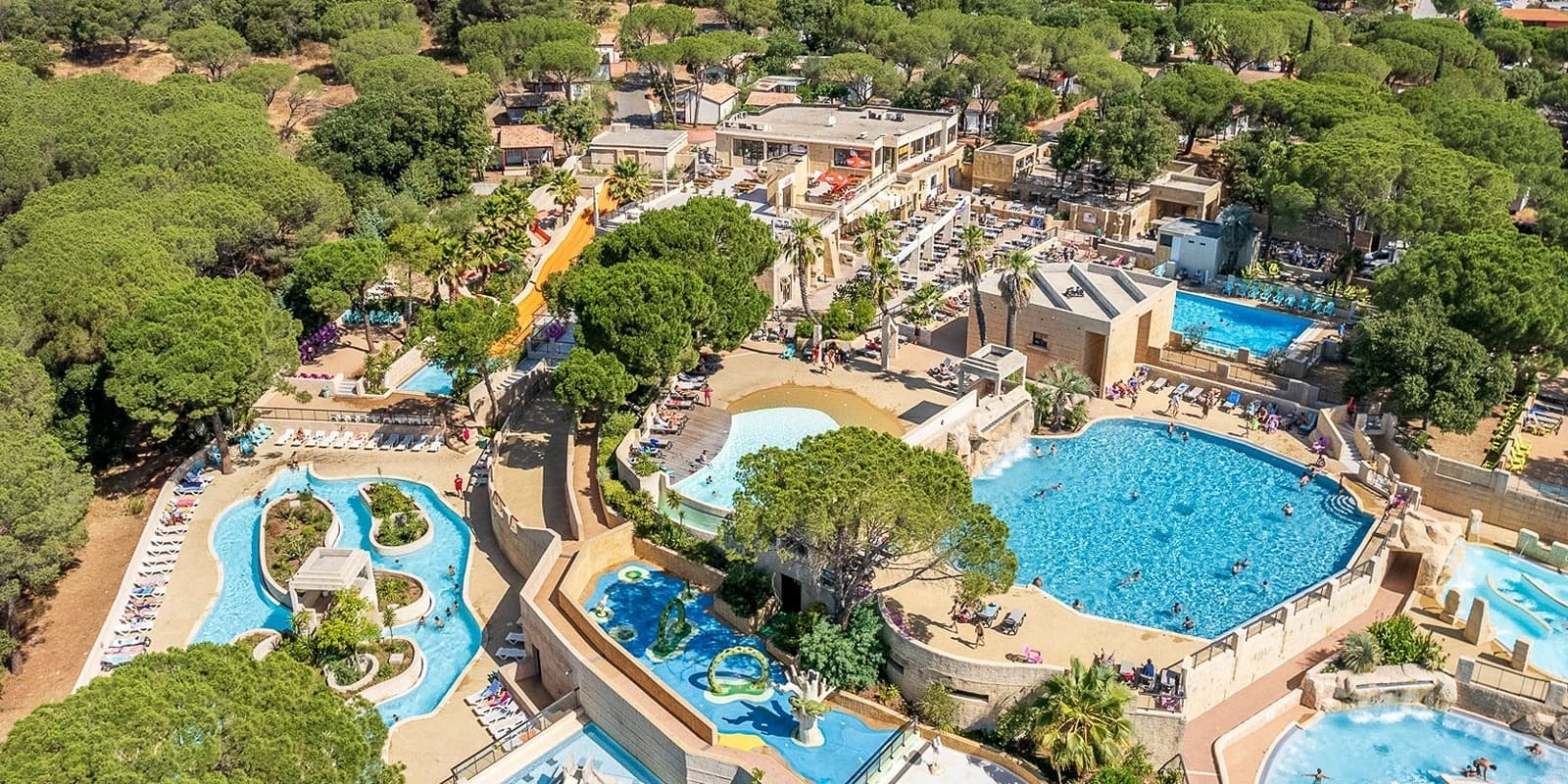 19 km · 26 min driveCamping Tikayan Les Cigales LE MUYInca-Themed Water Park · Provence Pines, Sea 20 km AwayView campsite
 29 km · 45 min driveHomair - Camping Domaine des Naïades GrimaudOlympic heated pool, slides and splash zone · Saint-Tropez Gulf, beaches and Port GrimaudView campsite
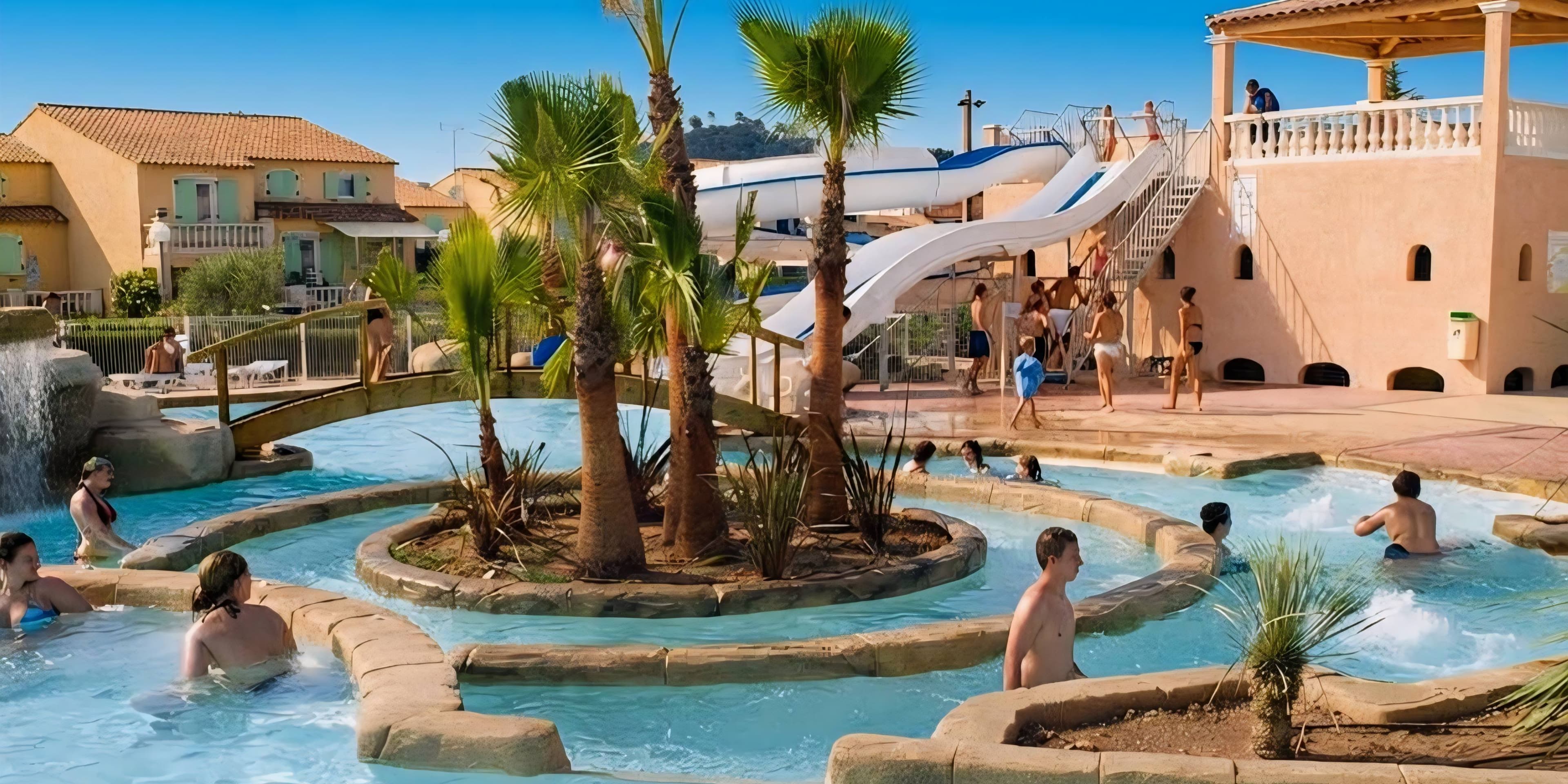 31 km · 40 min driveResort Le Clos des Oliviers Vidauban600m² Tropical Water Park: · Spacious Provençal Style Villas:View campsite
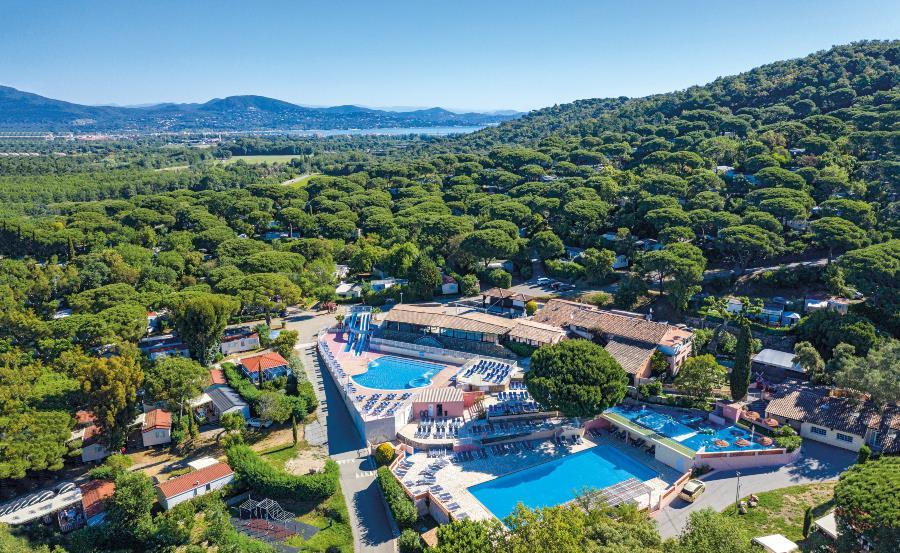 33 km · 51 min driveCamping Montana Parc - Gassin Golfe de St Tropez GassinWater Park With Slides · Saint-Tropez 8 km AwayView campsite