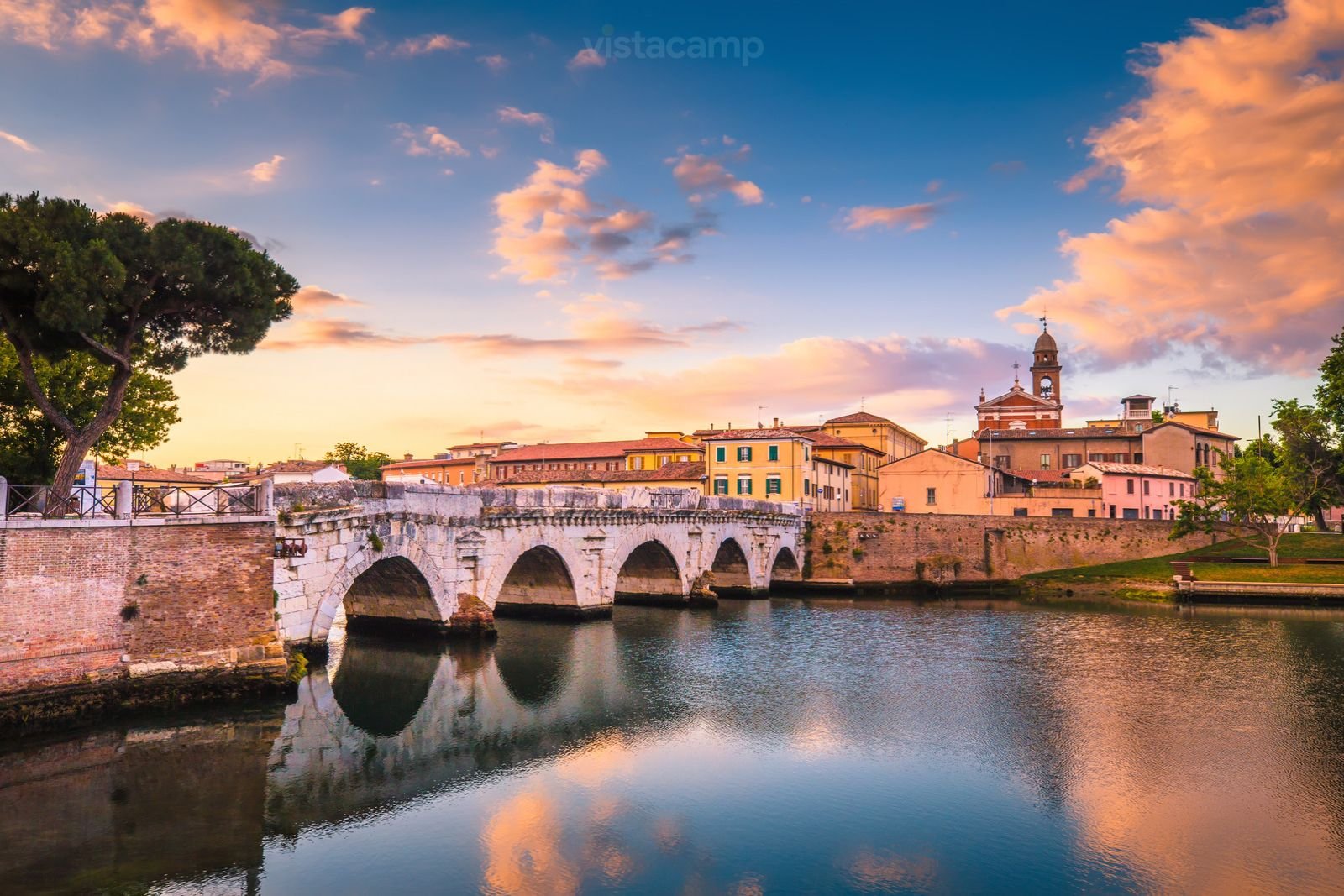



Ravenna
At a glance
Ravenna sparkles with Byzantine gold: eight UNESCO-listed monuments, Dante's tomb and a largely pedestrian centre made for strolling, all within easy reach of the Emilia-Romagna coast and its campsites.
- Byzantine Mosaics eight UNESCO monuments from the 5th and 6th centuries
- Ancient Capital once seat of the Western Roman Empire and Ostrogothic Kingdom
- Dante's Tomb the poet spent his last years here, and entry is free
- Bike-Friendly Centre white stone lanes make cycling between the sights easy
- Pine Forests & Beaches 35 km of coast and nature reserves close by

What to see in Ravenna: mosaics, Dante and more
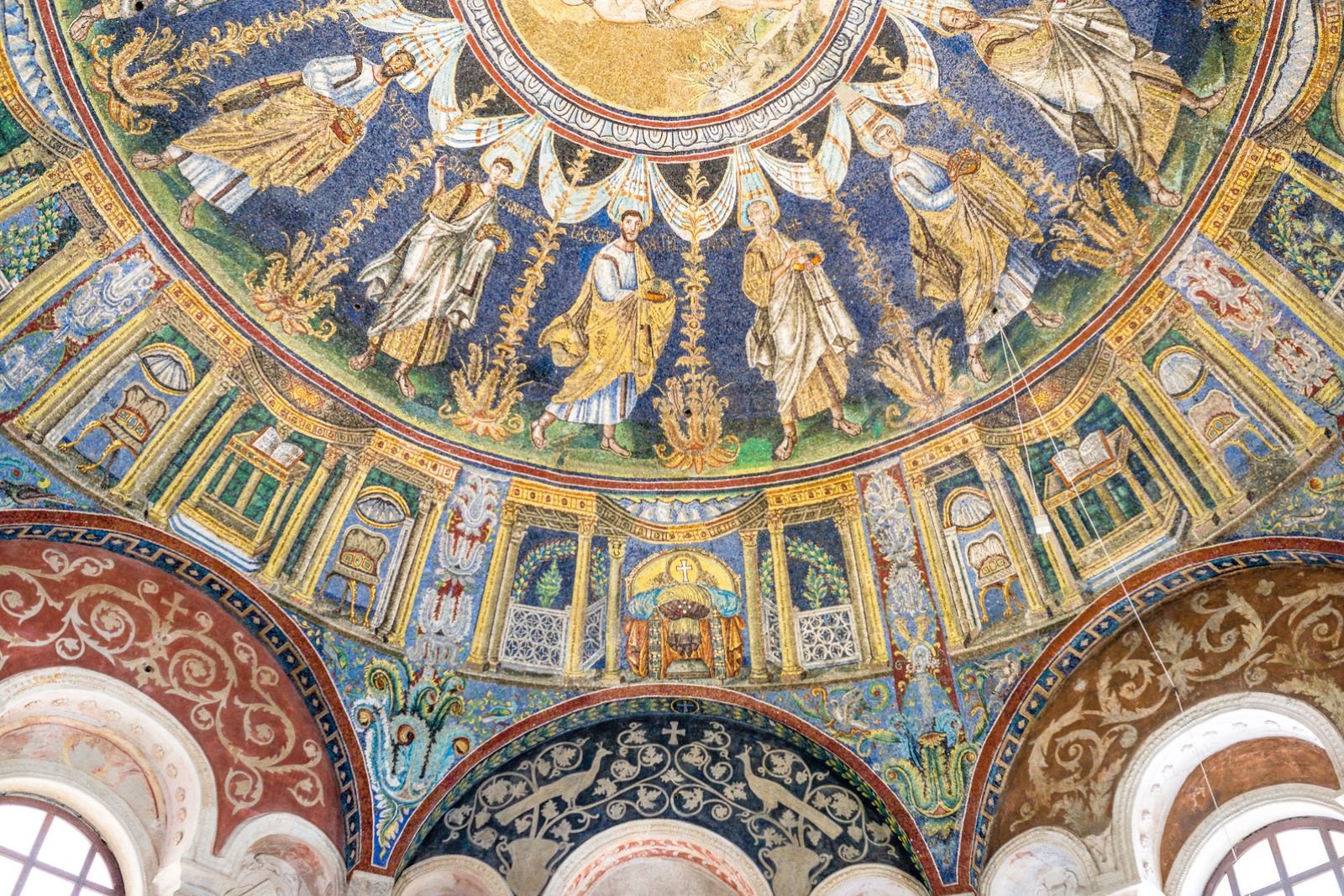
Ravenna was once the capital of the Western Roman Empire, the Ostrogothic Kingdom and the Byzantine Exarchate, and the legacy still glitters. Eight early Christian monuments from the 5th and 6th centuries have been World Heritage since 1996. Six stand in the historic centre, two just outside it.
- Basilica of San Vitale: the Justinian and Theodora processions in shimmering mosaic.
- Mausoleum of Galla Placidia: a deep blue dome scattered with stars.
- Neonian Baptistery and Arian Baptistery: two baptisteries with domed mosaics.
- Sant'Apollinare Nuovo: a basilica lined with mosaic processions.
- Archiepiscopal Museum: St Andrew's Chapel and the ivory throne of Maximian.
- Mausoleum of Theodoric and Sant'Apollinare in Classe: the two sites outside the core.
Between mosaics, visit Dante's tomb on Via Dante Alighieri in the Zone of Silence, beside the Basilica of San Francesco. The Domus dei Tappeti di Pietra shows 14 rooms of Byzantine mosaic floors, Classis Ravenna displays over 600 archaeological finds, and MAR follows mosaic art from antiquity to today.

Ravenna tickets, opening times and parking
The five diocesan sites (San Vitale, Galla Placidia, the Neonian Baptistery, Sant'Apollinare Nuovo and the Archiepiscopal Museum with St Andrew's Chapel) are sold as one combination ticket, valid for a week. Book online for the best price. Galla Placidia, the Neonian Baptistery and the Archiepiscopal Museum use timed entry, so reserve your slots ahead in spring and summer. The Arian Baptistery, the Mausoleum of Theodoric and Sant'Apollinare in Classe have their own tickets. Dante's tomb is free.
Plan a full day for the five combination-ticket sites plus Dante, or start early to fit in all eight monuments. Arriving at opening time at San Vitale is a lovely way to begin.
- The centre is a limited traffic zone with cameras at every entrance.
- Free park-and-ride: Pala De André (1,021 spaces), Cinema City (1,277 spaces) and Via Trieste, with local buses into town.
- Paid car parks include Piazza della Resistenza and Torre Umbratica.
- Five dedicated areas exist for camper vans and buses.

Where to stay near Ravenna: campsites on the coast
The smartest base for Ravenna is a campsite on its own coastline. The municipality has 35 km of seafront with a string of beach towns, including Marina di Ravenna and Punta Marina Terme, and the pine forests of Classe are close by. You can spend the morning among Byzantine mosaics and the afternoon on the beach.
Bus 70 runs frequently all year from Marina di Ravenna and Punta Marina Terme to Ravenna station, so you can leave the car at your pitch and let someone else handle the route. The same line also serves Mirabilandia's area of the city. Cycle routes lead from the centre to the beach towns, Classe and the nature areas, which suits a slower, two-wheeled holiday.
- Ravenna's monuments are open all year, so a stay works in spring, summer and autumn alike.
- The coast is also close to the Po Delta natural areas.
- Rimini, Ferrara and Bologna are reachable by train from Ravenna station.
Ask our team to match you with a campsite on the Emilia-Romagna coast.

Day trips from Ravenna: Classe, nature and beyond
Ravenna is rich enough to fill a week, and the surroundings add variety. Start with Classe, just outside the city: Sant'Apollinare in Classe is one of the eight UNESCO monuments, and the Classis Ravenna museum and the Ancient Port of Classe sit in the same area.
- Mirabilandia: Italy's biggest amusement park, with the iSpeed, Katun and Divertical rides, the 90 m Eurowheel and the Mirabeach water park.
- Pine forests and wetlands: walk or cycle the Pineta di Classe, visit Punte Alberete, or paddle the Ortazzo by canoe.
- NatuRa Museum in Sant'Alberto, a gateway to the Po Delta.
- Cervia: reachable on foot through the pine forest or by train from Ravenna.
- Bagnacavallo and the Roman villa at Russi in the hinterland.
- Ferrara, Bologna, Faenza and Rimini: all connected by train from Ravenna station.
Ravenna is also Italian Capital of the Sea in 2026, so the waterfront has plenty on.
Practical info
- Time needed
- one full day for the five combination-ticket sites and Dante's tomb; add a half-day for Classe.
- Best time to visit
- spring and early autumn are ideal; arrive at opening time to enjoy San Vitale at its calmest.
- Tickets
- the five diocesan sites come as a combination ticket, so book online for the best price and your timed slots.
- Getting there and parking
- bus 70 links the coast with Ravenna station; by car use a free park-and-ride, as the centre is a limited traffic zone.
- Food and drink
- cafés and trattorias everywhere; try piadina, cappelletti, passatelli and torta Teodora.
- Season
- the monuments are open all year, with daily visits through winter and special evening openings in summer.
A day at Ravenna from your campsite
- 08:15Leave your campsite on the Ravenna coast and hop on bus 70 from Marina di Ravenna or Punta Marina Terme to Ravenna station (it runs frequently all year), or drive to a free park-and-ride
- 09:00Start at the Basilica of San Vitale and admire the Justinian and Theodora mosaics
- 10:00Step next door into the Mausoleum of Galla Placidia and its starry dome
- 11:00Continue to the Neonian Baptistery and the Archiepiscopal Museum with the ivory throne of Maximian
- 12:30Lunch in the centre: a piadina or a plate of cappelletti at a trattoria
- 14:00Sant'Apollinare Nuovo, then a stroll to Dante's tomb and the Zone of Silence
- 16:00Unwind in the Giardini Pubblici or around Rocca Brancaleone, or explore the Domus dei Tappeti di Pietra
- 17:30Bus 70 back to the coast, then a swim or dinner at your campsite
Book the timed slots for Galla Placidia, the Neonian Baptistery and the Archiepiscopal Museum online before you go.
Park free at Pala De André, Cinema City or Via Trieste and continue by local bus, as the historic centre is a limited traffic zone.
The white stone strips in the middle of many streets are bike lanes, so keep to the sides when walking.
Tip from our specialist
Our tip: treat Ravenna like a morning treasure hunt. Be at San Vitale when it opens, then walk straight next door to Galla Placidia while the light on the mosaics is at its best. Book the timed slots for Galla Placidia, the Neonian Baptistery and the Archiepiscopal Museum online beforehand, so your day runs smoothly. Take bus 70 from the coast and leave the car at camp, then rent bikes or use the white stone lanes to roll between sights. Lunch on a piadina, add Dante's tomb in the Zone of Silence, and finish in the Giardini Pubblici. In summer, look out for the evening openings of San Vitale and Galla Placidia: mosaics by night are pure magic.
Ravenna and our campsites on the map
Campsite, click to view the campsite
Frequently asked questions about Ravenna
How many days do you need to see Ravenna?
Do you need to book tickets for the Ravenna mosaics?
Which UNESCO monuments are in Ravenna?
Is Dante's tomb in Ravenna free to visit?
How do you get from the coast to Ravenna without a car?
Is Ravenna fun with kids?
Where can you park when visiting Ravenna?
Campsites near Ravenna
12 campsites within 100 km 10 km · 19 min driveCamping Adriano Family Collection Punta Marina TermeWaterpark • Lagoon Pools • Family Fun · Beach Access • Pine Forest • Adriatic CoastView campsite
 11 km · 20 min driveCamping Marina Family Resort Punta Marina TermeWaterpark • Children’s Pool • Hydromassage · Pine Forest • Sandy Beach • Family ActivitiesView campsite
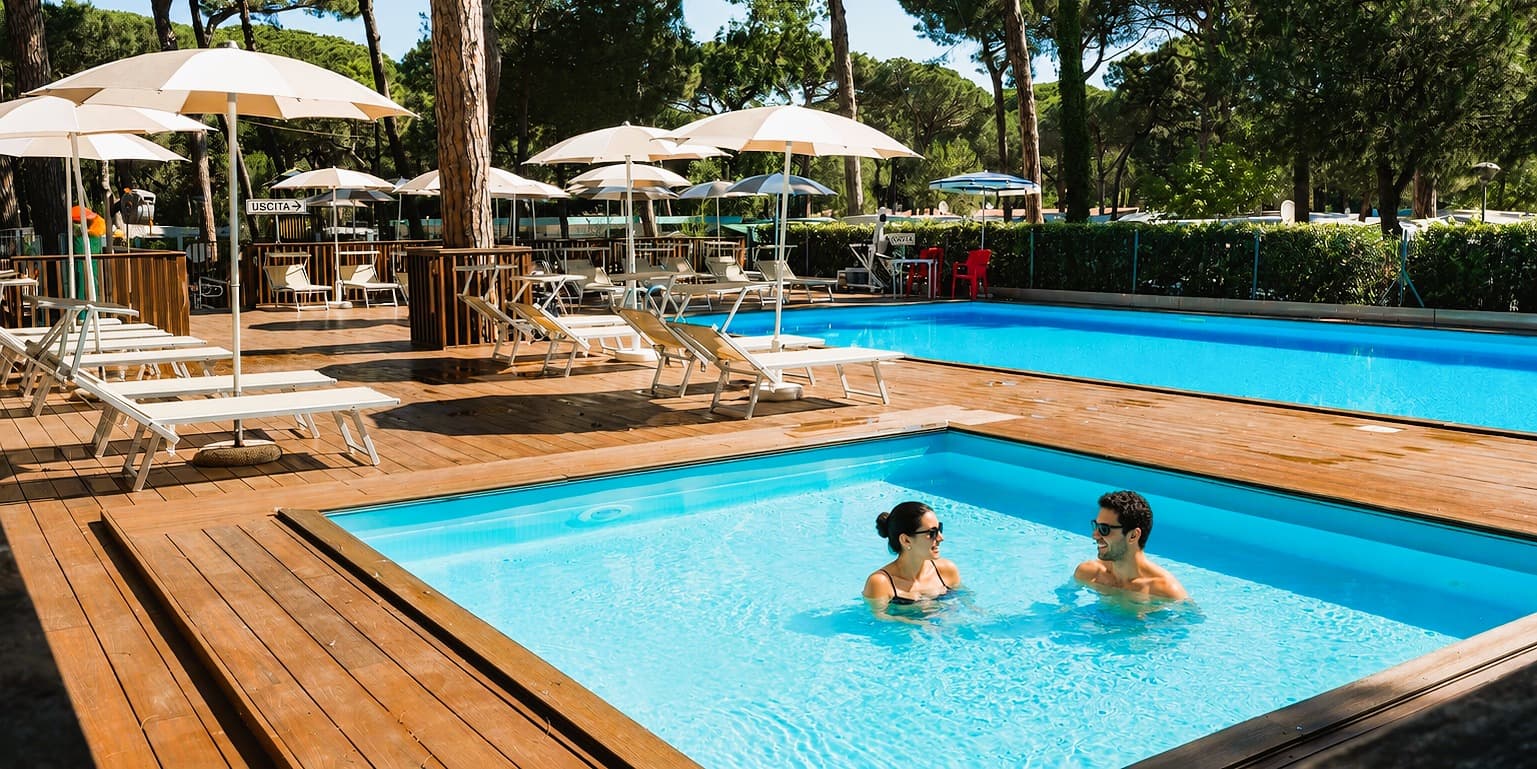 12 km · 20 min driveRivaverde Easy Camping Village Marina di RavennaFamily swimming pools, pine forest · Adriatic beach, seaside locationView campsite
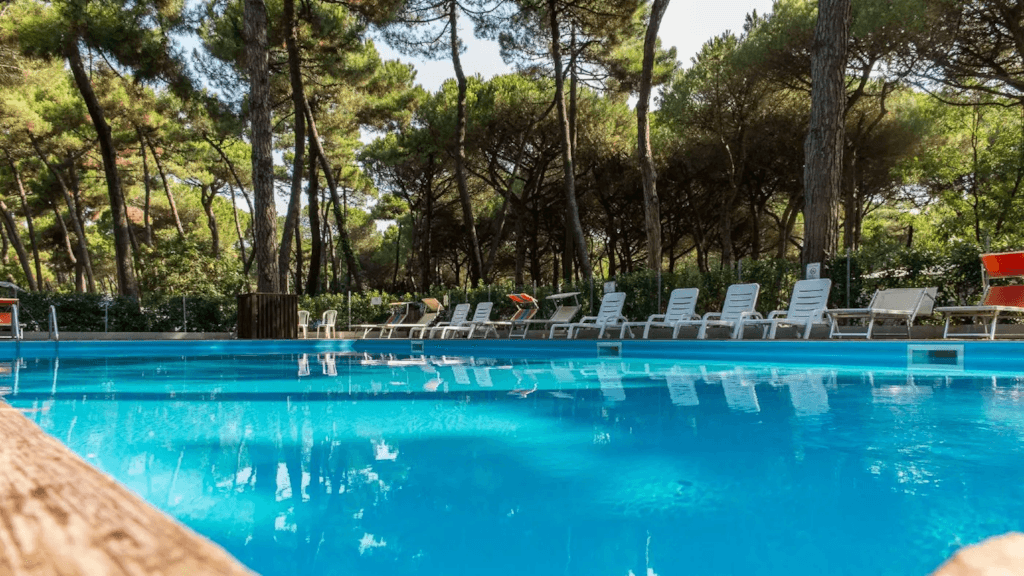 14 km · 24 min driveMarina Romea Easy Camping Village Marina RomeaOutdoor pool, children’s pool · Beach, pine forest, AdriaticView campsite
 22 km · 34 min driveCamping Milano Marittima Boutique Resort Milano MarittimaPrivate beach, outdoor pools · Pine forest, coastal settingView campsite
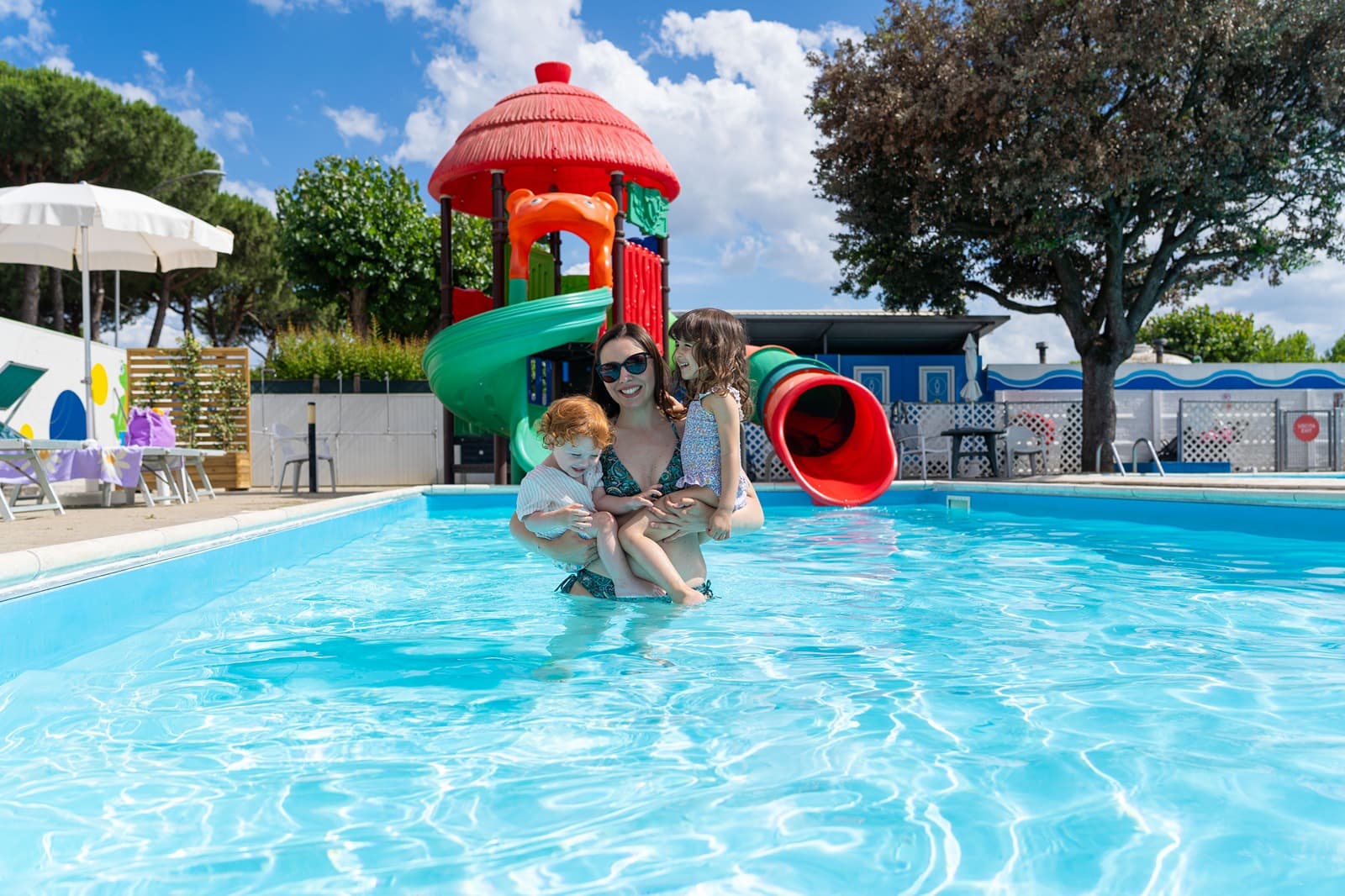 26 km · 39 min driveCamping Adriatico Cervia Easy Camping Village CerviaFamily Pool & Splash Fun · Beach & Nature SettingView campsite
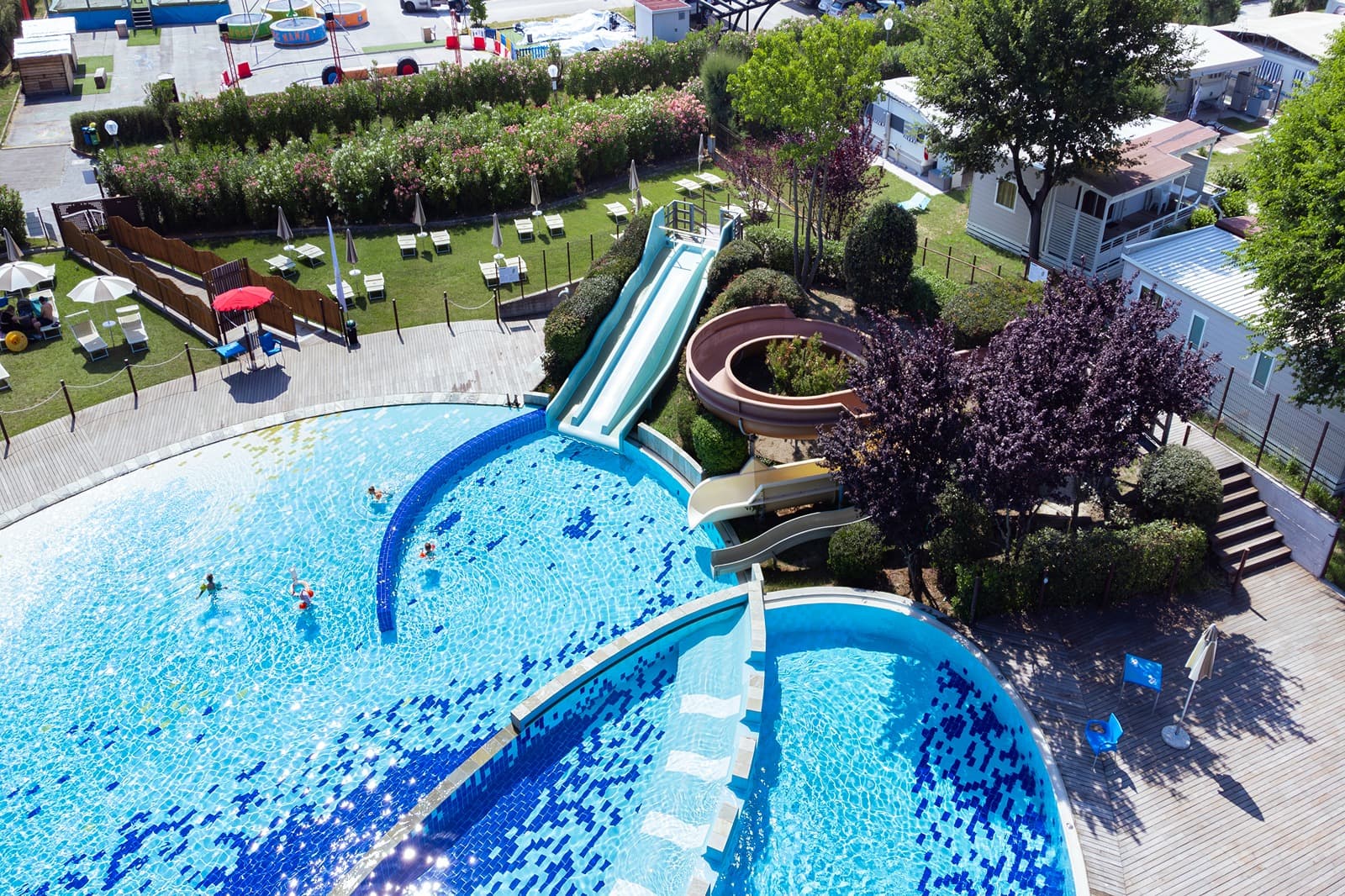 30 km · 40 min driveSpina Family Collection Lido di SpinaWater Park With Kamikaze Slide · Sandy Adriatic Beach NearbyView campsite
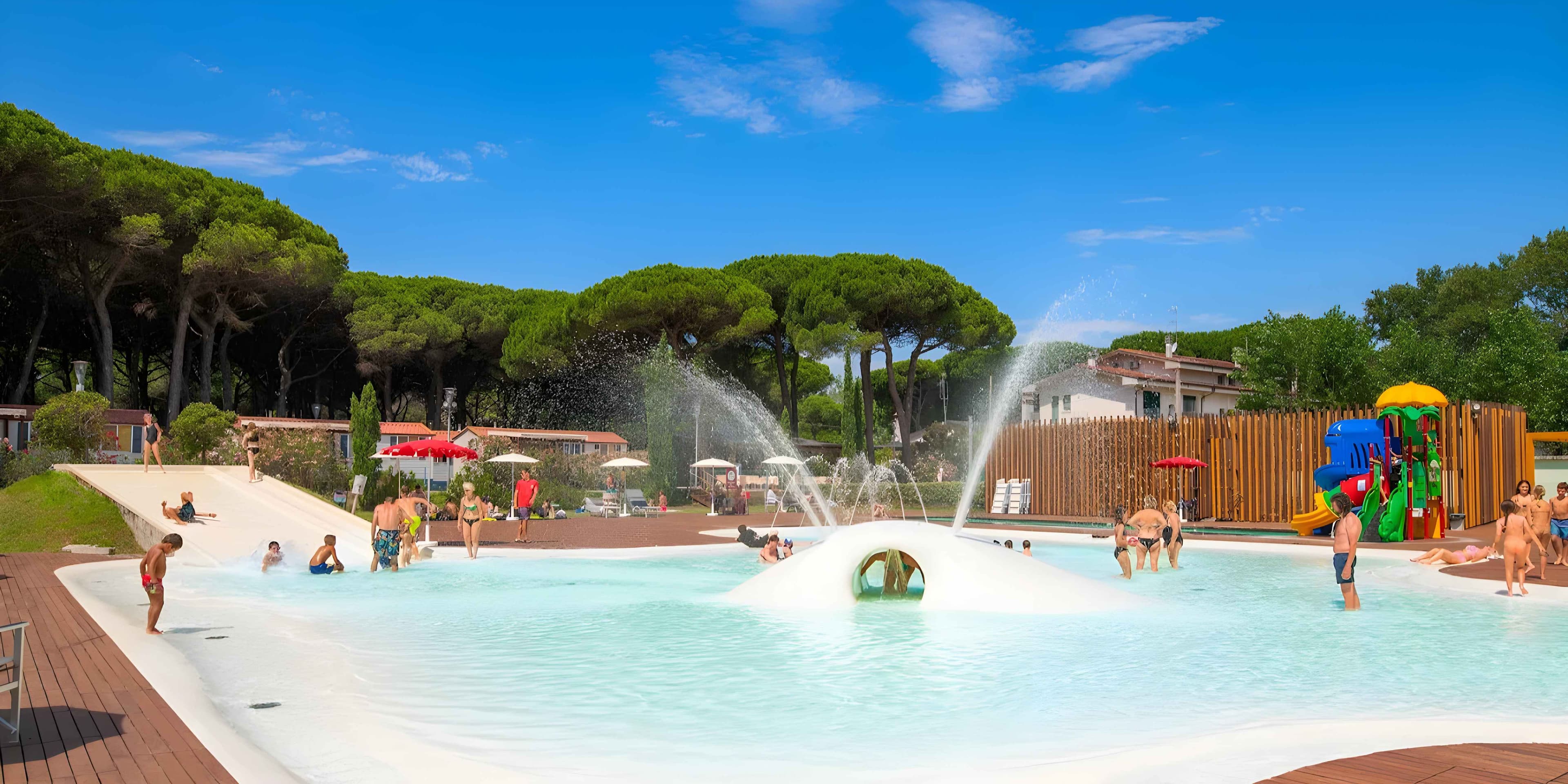 30 km · 44 min driveCamping Village Pineta sul Mare CesenaticoLagoon pool waterpark · Pine forest beachView campsite
 32 km · 49 min driveCesenatico Camping Village CesenaticoThree swimming pools, slides · Adriatic beachfront settingView campsite
 33 km · 40 min driveDelta Open Air Resort PortogaribaldiLuxury 4,350m² water park · Po Delta, flamingos, natureView campsite
 37 km · 47 min driveVigna sul Mar Family Collection Lido di PomposaLagoon Swimming Pools & Spray Park · Daily entertainmentView campsite
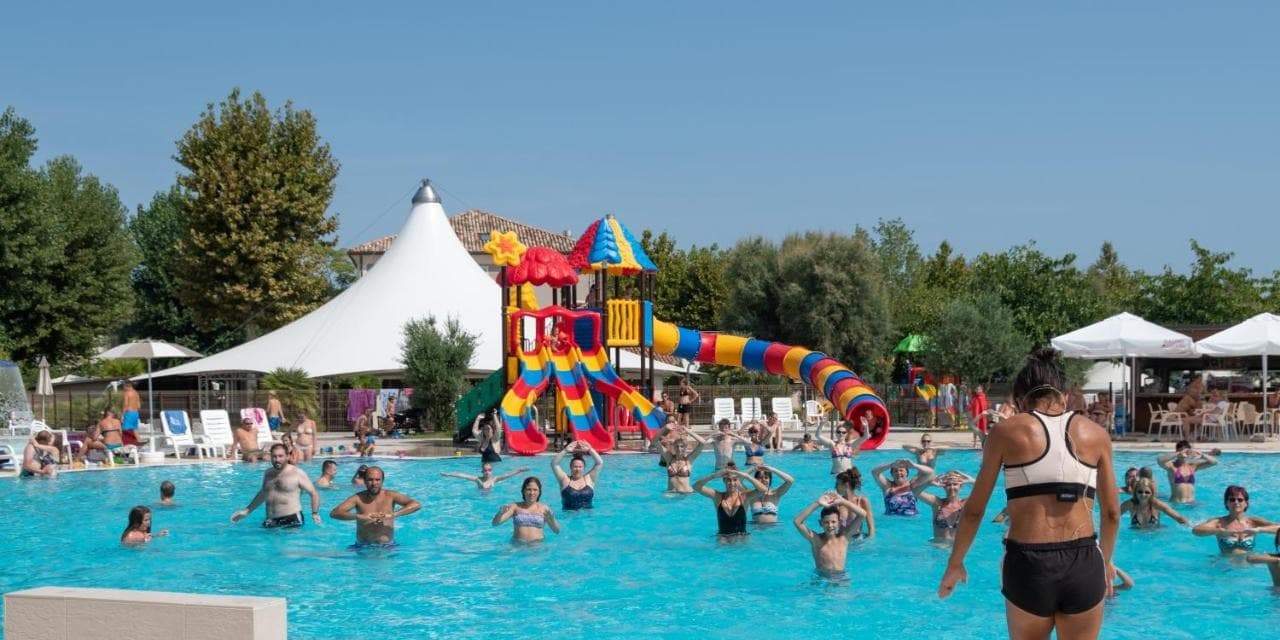 37 km · 46 min driveClub del Sole - Vigna sul Mar Family Collection CodigoroWater Park With Slides · Private Beach On The AdriaticView campsite