



Palamos
At a glance
Palamós pairs golden bays and a 12th-century old town with the famous Gamba de Palamós, fresh from the port. Swim at La Fosca, walk the Camí de Ronda and eat seafood by the harbour.
- Golden Bays La Fosca, Castell and Platja Gran: fine sand between Costa Brava cliffs.
- Gamba de Palamós Prized prawns, inspected at the auction hall before they reach your plate.
- Fishing Heritage Museu de la Pesca fills the old Tinglado warehouse at the port.
- Camí de Ronda Coastal path linking coves, fishing huts and Sant Esteve castle.
- Old Town Views Santa Maria's late Gothic tower and sunset from Plaça de la Murada.

What to see in Palamós
Palamós has been a Costa Brava port since the 12th century, set on a bay of fine sand between rocky cliffs. Start in the old town on its peninsula, where the late Gothic bell tower of the Church of Santa Maria is the town's landmark. A short climb up a set of stairs from the tourist office brings you to the Plaça de la Murada viewpoint, where a seated statue of the painter Ezequiel Torroella watches over the bay. Plaça del Pedró looks out over the marina.
Down at the port, the Museu de la Pesca fills the old Tinglado warehouse, with texts in five languages, and the fish market sits next to the auction hall. The lighthouse on Punta del Molí is a lovely spot for sunset.
- La Fosca: beach with the Roca Fosca rock, dominated by Sant Esteve castle
- Platja de Castell: over 300 m of sand, next to an Iberian settlement
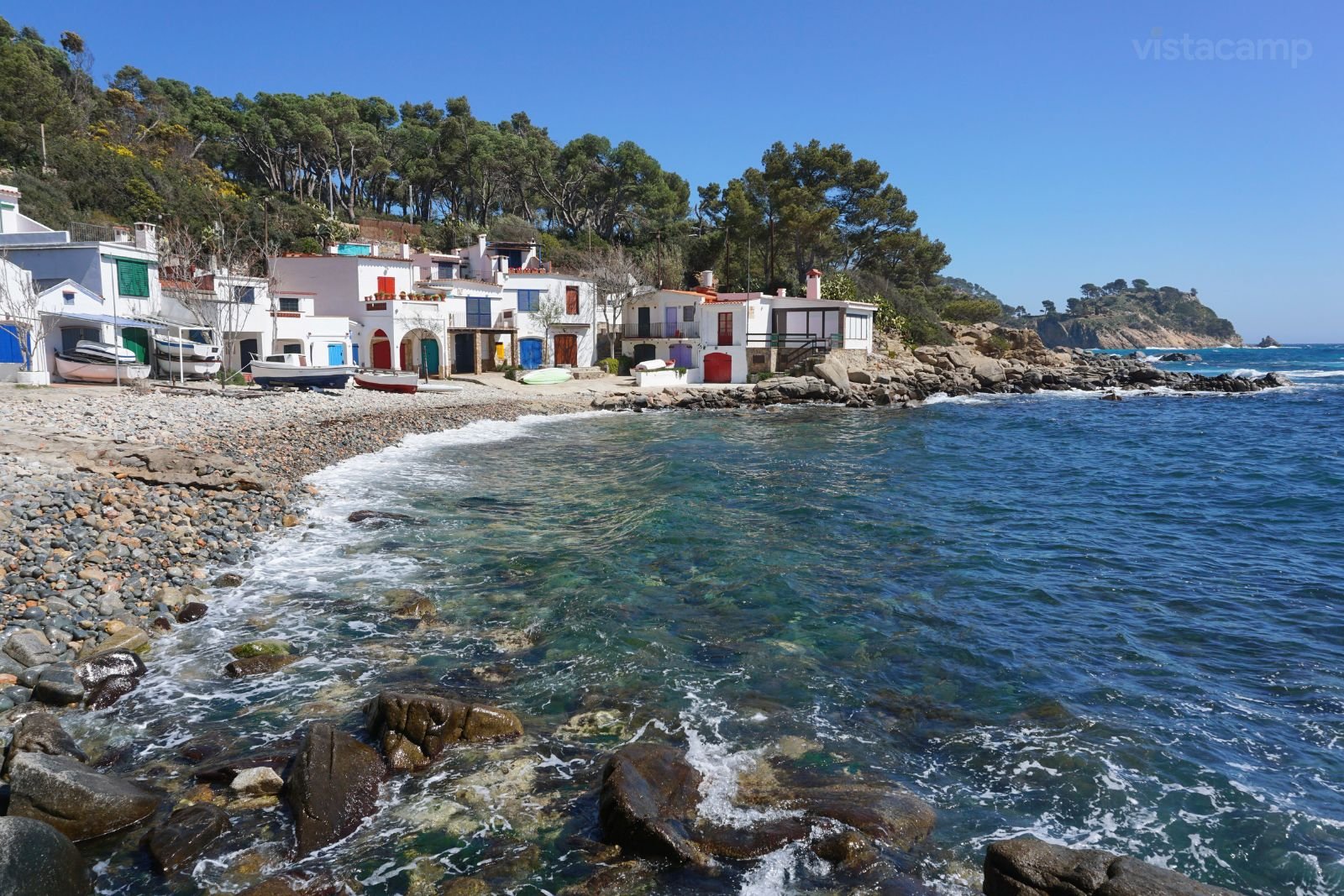
- Cala s'Alguer: a cove declared a cultural asset of national interest
- Cala Margarida: fishing huts and clear water for snorkelling
- Camí de Ronda (GR 92): the coastal path linking the coves

Palamós tickets, opening times and parking
Exploring the old town, harbour and beaches costs nothing. For the Museu de la Pesca, book online for the best price and plan about 1 hour. It closes for a break in the middle of the day, so the afternoon works well. The fish market also takes about 1 hour. Boats come in on weekday afternoons, and entry is free.
Weekday mornings out of high season are the quietest. In July and August the seafront car parks fill by about 10:00, so an early start pays off. Your options:
- Platja de Castell car park: about 600 spaces, around 10 minutes' walk to the sand
- Platja Gran: car park beside the main beach
- Aparcament de la Planassa: next to the port and the restaurant strip
- Carrer Riera: a free car park for 80 vehicles
In the historic centre, pay for parking at the machines. The Sarfa bus station is at Carrer Sant Antoni 15.

Where to stay near Palamós
A campsite on the Costa Brava puts Palamós within easy reach. You can spend a morning on La Fosca, an afternoon at the port, and be back among the pines for dinner. The beaches of Platja de Castell and Platja Gran both have car parks, and Sarfa buses link Palamós with Platja d'Aro and Girona. That gives you a car-free option for the day.
The surrounding area adds plenty to a longer stay:
- Quiet coves such as Cala Estreta and Cala Canyers for lazy beach days
- Camí de Ronda stages that start right in town
- Calella de Palafrugell, Pals and Platja d'Aro within reach
Browse our Costa Brava campsites to find the pitch that suits your holiday, whether you travel as a family or as a couple.

Day trips from Palamós
Palamós is a good base for exploring the rest of the Baix Empordà and the Costa Brava. Combine it with these places nearby:
- Calella de Palafrugell lies to the north. The Camí de Ronda section from Palamós to Calella is among the most spectacular stretches of the coastal paths.
- La Bisbal d'Empordà is another town to the north, perfect for a slower inland morning.
- Pals is a medieval village inland, ideal for wandering old stone streets.
- Platja d'Aro and Sant Feliu de Guíxols lie to the south. The GR 92 stage from Palamós to Sant Feliu de Guíxols is 16.8 km.
- Jardins de Cap Roig sits at the end of the coastal path, a garden with sea views.
Walkers can take the coastal path in sections, with beach stops at Cala s'Alguer, Platja de Castell and Cala Estreta along the way.
Practical info
- Time needed
- One day covers the main sights; allow about 1 hour for the museum and 1 hour for the fish market.
- Best time to visit
- Summer for the beaches; weekday mornings out of high season are the calmest. The fish market is a weekday afternoon activity.
- Tickets
- Walking the old town, port and beaches is free. For the Museu de la Pesca, book online for the best price.
- Getting there and parking
- By car, use the car parks at Platja de Castell, Platja Gran or next to the port. In July and August, arrive before 10:00. Sarfa buses stop at Carrer Sant Antoni 15.
- Food and drink
- More than 70 bars and restaurants. Go for prawns, rice dishes and seafood around the port, or beach bars on the La Fosca promenade.
- Season
- The town is lively all year. The beach season is summer, the prawn menus run from spring and the langoustine menus from October.
A day at Palamos from your campsite
- 09:30Leave your campsite and drive to Palamós. In summer, aim to arrive before 10:00 so you can park close to the beach.
- 10:00Settle on La Fosca, a wide sandy beach below Sant Esteve castle, with the Roca Fosca rock just offshore.
- 12:00Stroll the first stretch of the Camí de Ronda from La Fosca towards Cala s'Alguer, then turn back for a swim.
- 13:30Lunch at a beach bar on the La Fosca promenade, or at one of the restaurants around the port.
- 15:30Wander the harbour and out to the lighthouse on Punta del Molí.
- 16:00Visit the Museu de la Pesca in the old Tinglado warehouse. Allow about 1 hour for the film and two floors of exhibits.
- 17:00On a weekday, watch the boats come in and visit the fish market beside the auction hall. Then climb to Plaça de la Murada and the Church of Santa Maria for views over the bay.
- 19:30Drive back to your campsite for a relaxed dinner under the stars.
Book your Museu de la Pesca ticket online and plan the visit for the afternoon, after the midday break.
Park at the Platja de Castell car park (about 600 spaces) or at Platja Gran. Parking in the historic centre is paid at the machines.
Bring a swimsuit, sun hat and walking shoes with grip for the coastal path.
Tip from our specialist
Our tip: do Palamós in the order the town itself works. Spend the morning at La Fosca while the sand is quiet, and have lunch on the promenade. Then head to the port for the afternoon. On a weekday, time it so you reach the harbour in the late afternoon. That is when the boats unload, the fish market opens and the Museu de la Pesca has its viewing window onto the auction. Finish by climbing the stairs to Plaça de la Murada for the evening light over the bay. If you only walk one stretch of the Camí de Ronda, make it La Fosca to Cala s'Alguer: you get Sant Esteve castle, clear water and a swim stop within a couple of hours. Try the Gamba de Palamós too. The quality mark means the prawns were inspected at the auction hall before sale.
Palamos and our campsites on the map
Campsite, click to view the campsite
Frequently asked questions about Palamos
What is Palamós famous for?
Can you watch the fish auction in Palamós?
What are the best beaches in Palamós?
Can you walk the coast from Palamós?
How long do you need in Palamós?
Is Palamós fun with kids?
Where can you park when visiting Palamós?
Campsites near Palamos
12 campsites within 50 km 1 km · 4 min driveCamping Internacional Palamos PalamósRefreshing outdoor swimming pools: · Prime Costa Brava location:View campsite
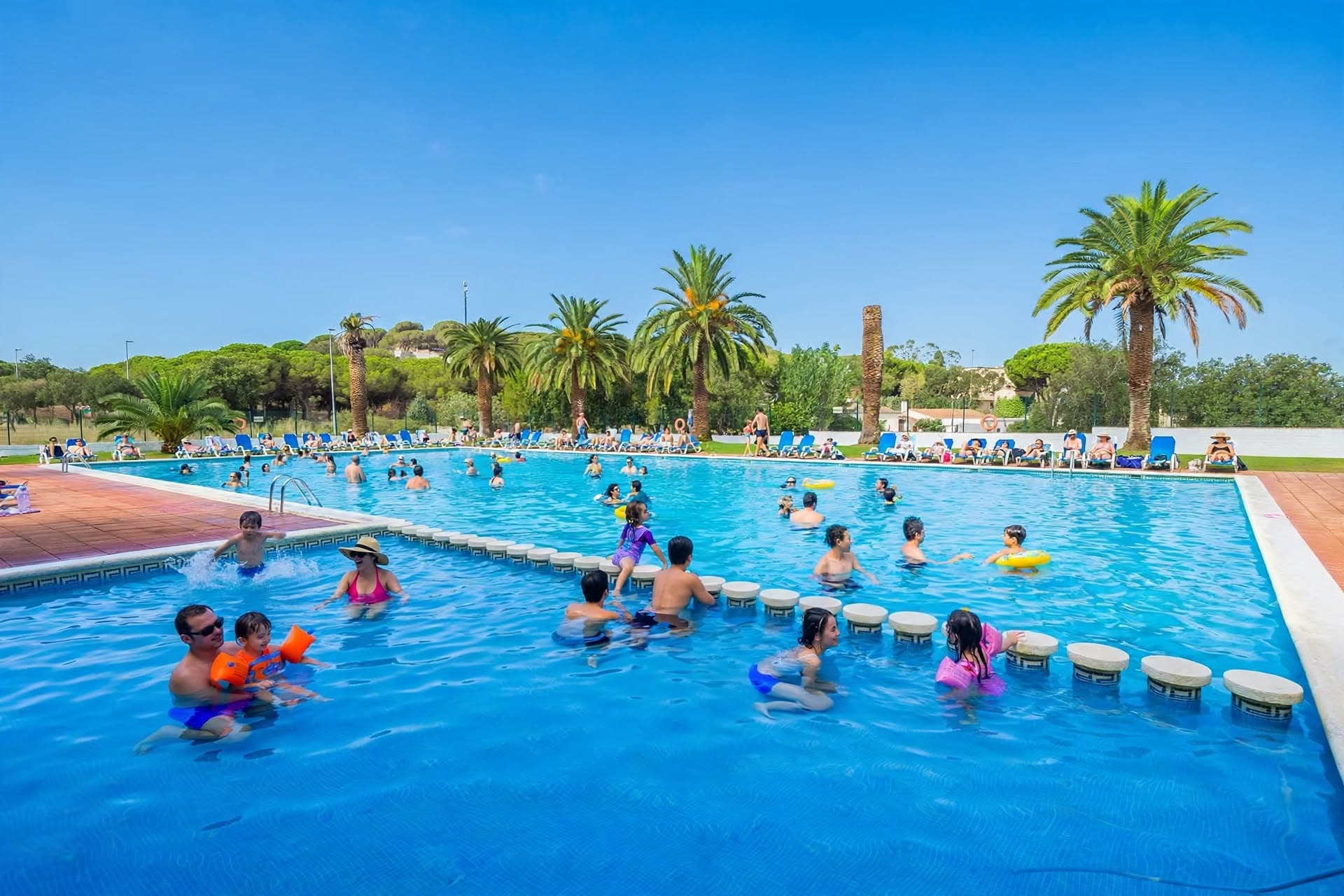 1 km · 4 min driveCamping Internacional Palamos PalamósOlympic pool, children's pool, swimming · La Fosca Beach, coastal path, covesView campsite
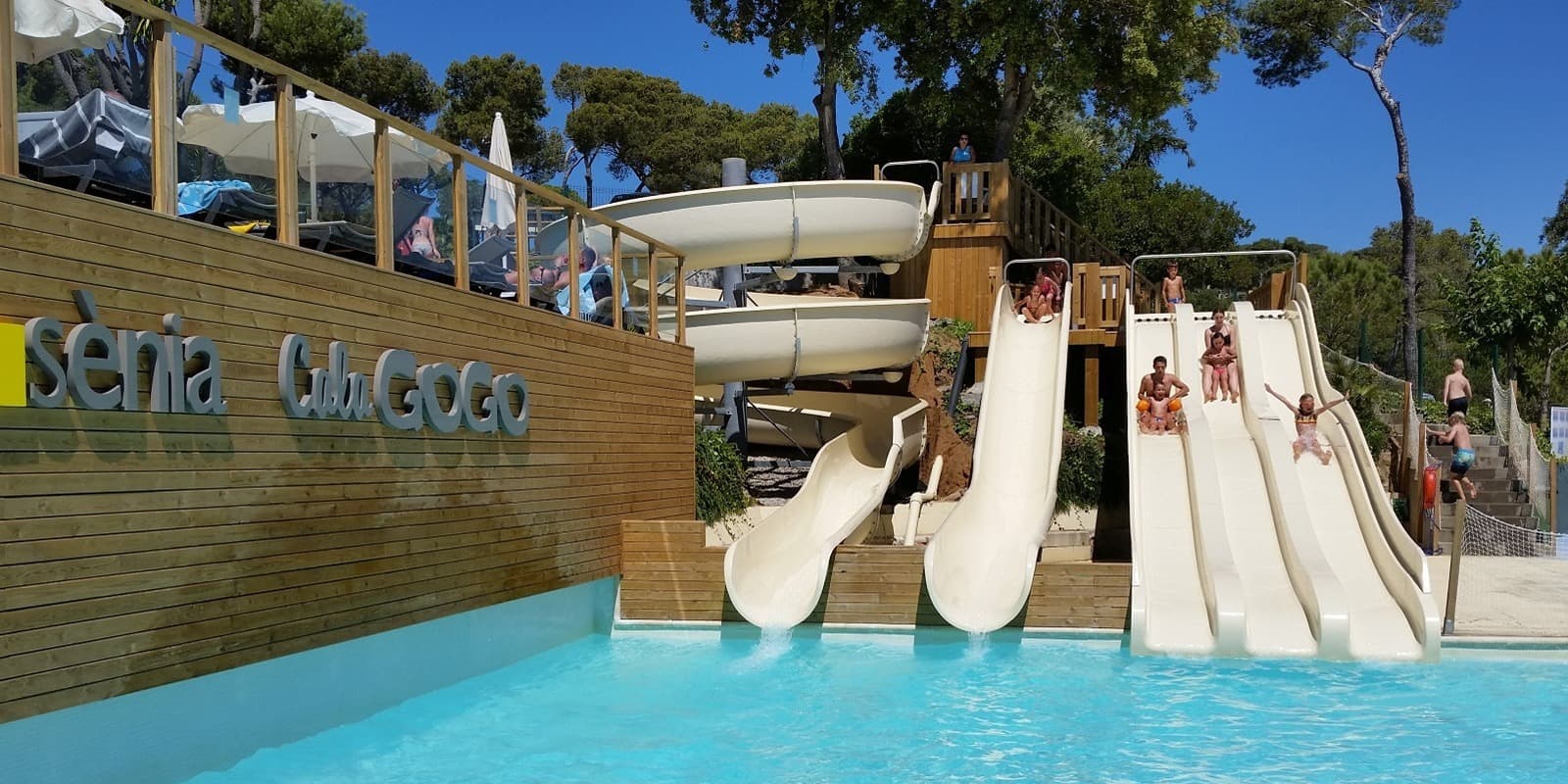 6 km · 17 min driveCamping Senia Cala Gogo Internacional CalongeSplash Paradise Ten Pools Nine Slides · Direct Beach Access Private CoveView campsite
 18 km · 20 min driveWecamp Santa Cristina Santa Cristina d'AroOutdoor pool · Kids club · Sports · Mediterranean forest · Costa Brava · BeachesView campsite
 20 km · 28 min driveCamping Talaia Plaza Ecoresort Begur, GironaOutdoor Pool, Sea Views & Sun Terrace · Sa Riera Beach, Crystal-Clear MediterraneanView campsite
 20 km · 27 min driveTalaia Plaza Ecoresort by Oravia Travel Sa RieraOutdoor Pool, Sea Views & Sun Terrace · Sa Riera Beach, Crystal-Clear MediterraneanView campsite
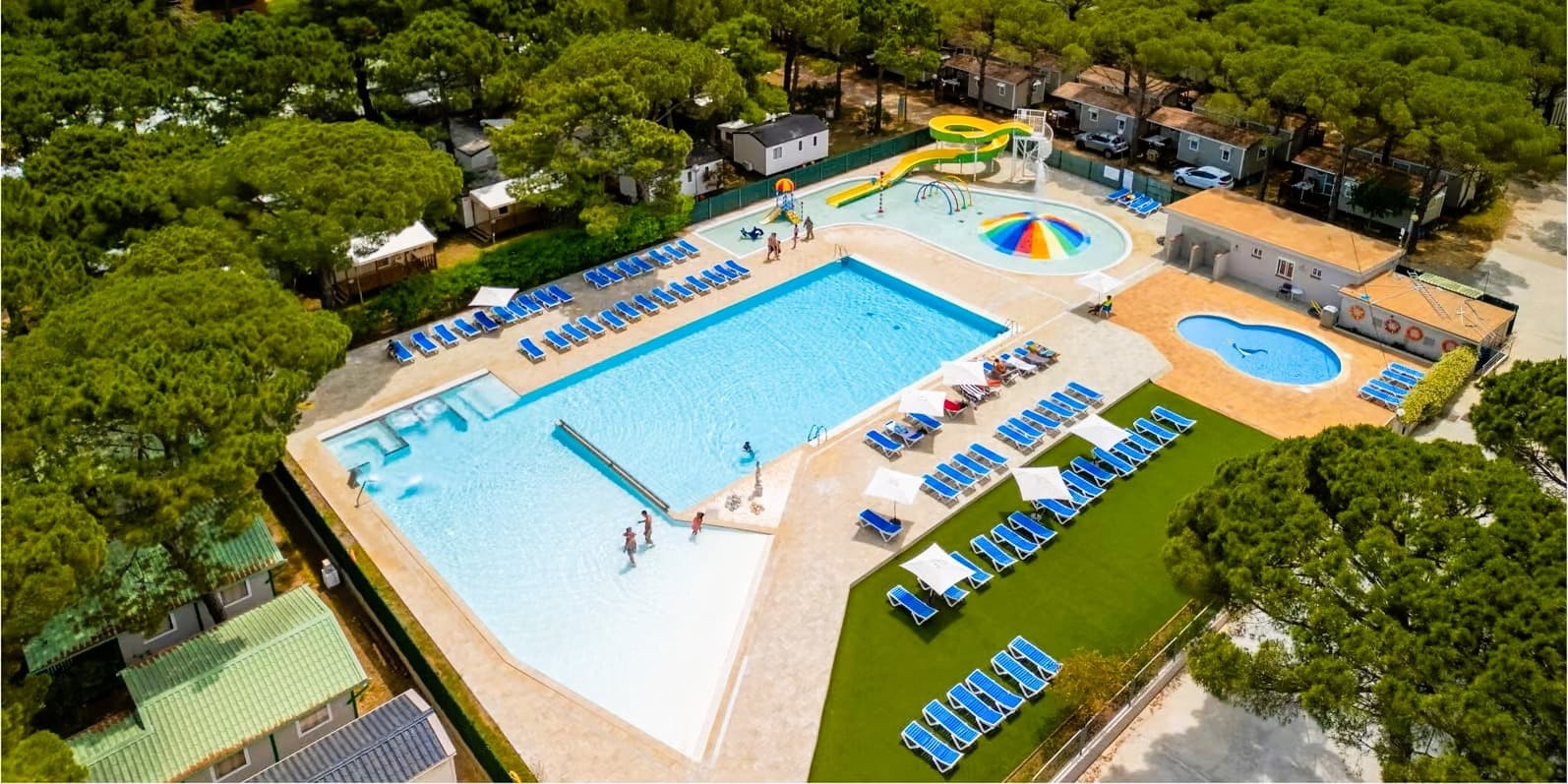 21 km · 29 min driveHomair - Camping Neptuno PalsWaterpark, slides, children’s pool · Pine forest, Costa BravaView campsite
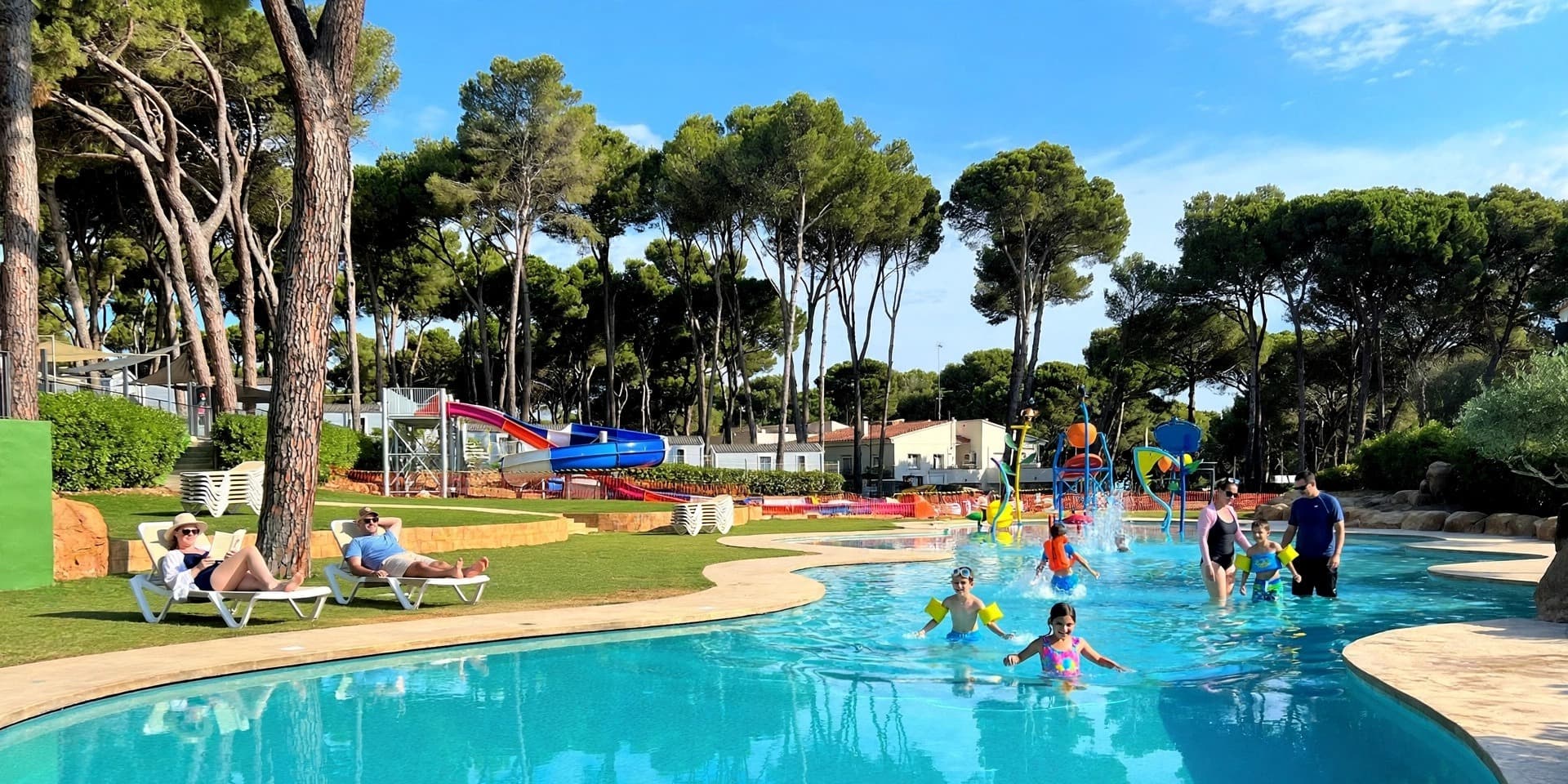 21 km · 28 min driveCamping Interpals Eco Resort GironaSplash Pool With Three Slides · Eco Pine Forest Beach RetreatView campsite
 22 km · 33 min driveHomair - Camping Playa Brava PalsNatural Mediterranean ambience · Perfect for visiting Costa BravaView campsite
 31 km · 39 min driveHomair - Camping Castell Montgri EstartitThree pools, waterslides, panoramic views · Costa Brava, Medes Islands, beachView campsite
 39 km · 57 min driveCamping Wecamp Cala Montgó L'EscalaCala Montgó beach, outdoor swimming pool · Pine forest, Camí de RondaView campsite
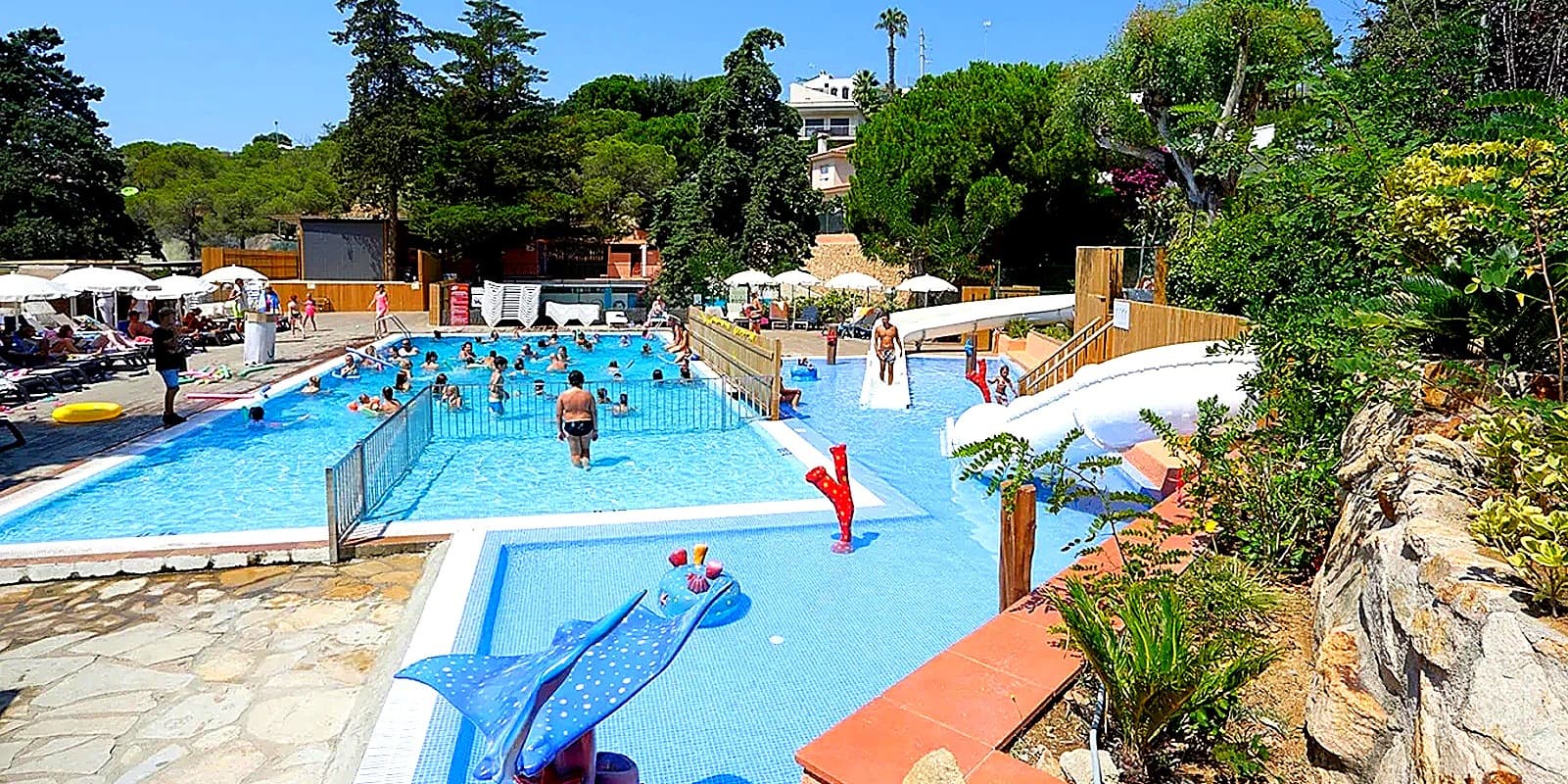 50 km · 53 min driveCamping Senia Cala Canyelles Lloret de MarOutdoor Pool With Slides · Cala Canyelles Beach ShuttleView campsite
More to discover in Catalonia
All about Catalonia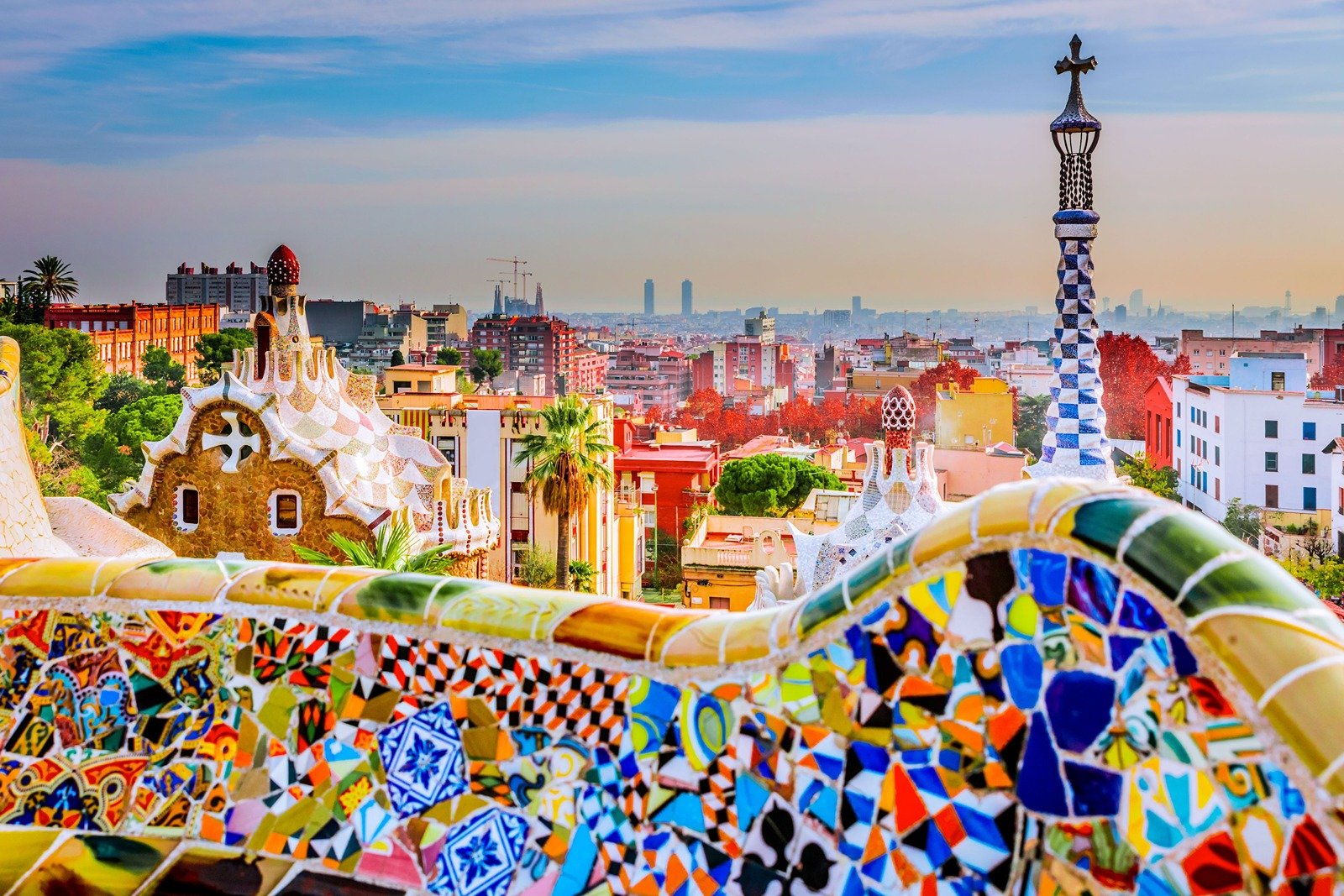 BarcelonaGaudí's mosaics, a Mediterranean city beach and tapas around every corner: Barcelona is the Catalan capital that rewards a full day out. Base yourself at one of our coastal campsites and ride in stress-free.
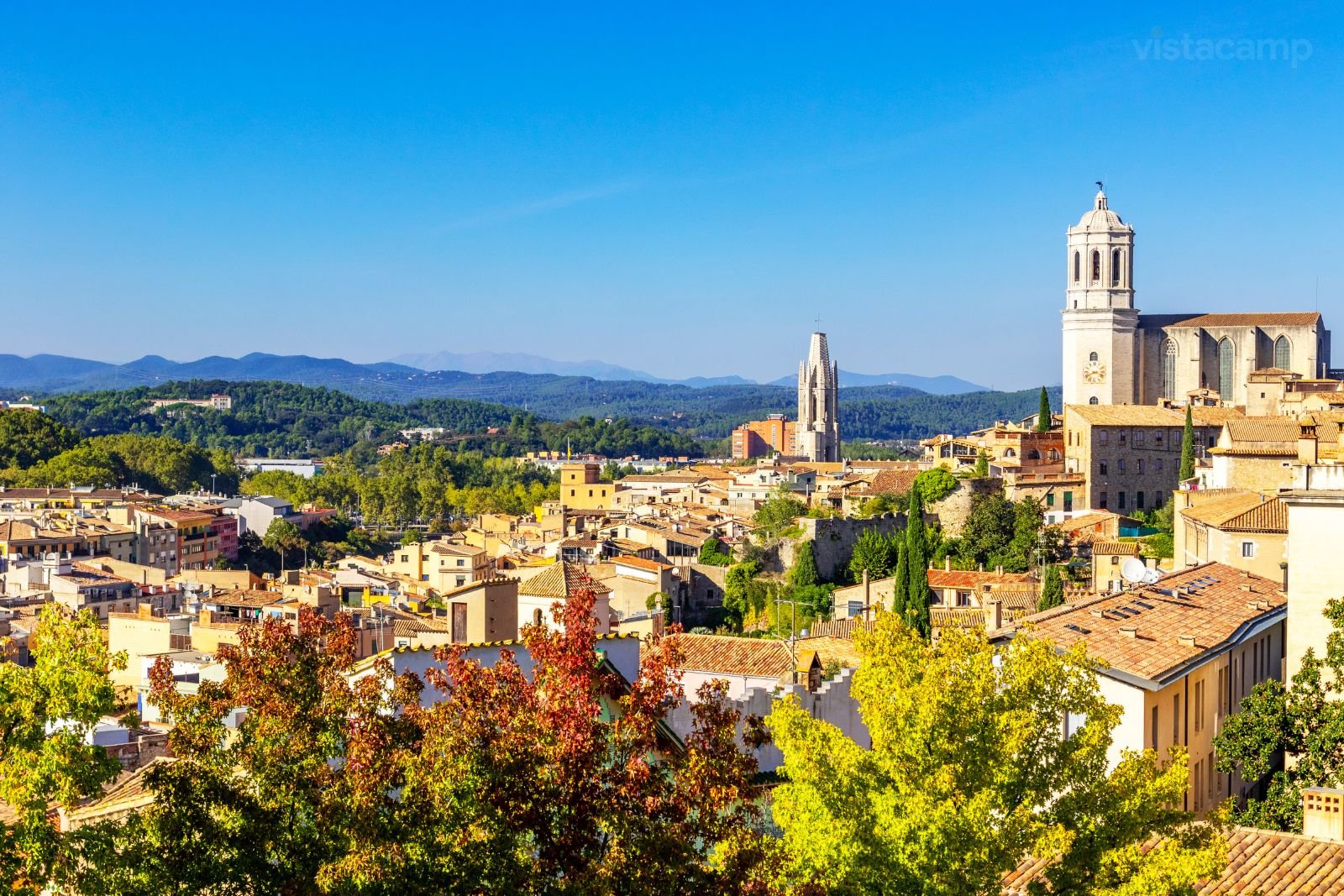 GironaGirona packs a Gothic cathedral, a medieval Jewish quarter, walkable city walls and a candy-coloured riverfront into one compact old town, only 35 km inland from the Costa Brava. A perfect day out from your campsite.